

Pain Not Going Away?
Consider Shockwave Therapy
Have you been struggling with persistent, stubborn pain? You may have felt like you’ve tried everything: medication, rest, even standard rehab exercises. And yet the pain lingers, interfering with your daily activities.
At Achieve Therapy and Fitness, we understand how frustrating it is to deal with pain that has overstayed its welcome. Fortunately, our team is here to help! We’ve found that often, persistent pain is a sign that your body needs a little boost to restart its healing process. One cutting-edge tool that can help is shockwave therapy.

We’d love your feedback!
If you’ve had a great experience at Achieve Therapy and Fitness, please take a moment to leave us a Google review. Your feedback helps others find the care they need and helps us continue providing excellent service!
Reasons Your Pain May Not Be Resolving
- Incomplete Healing: Soft tissue injuries (like tendon strains) may not fully repair on their own.
- Poor Blood Flow: Limited circulation slows down the delivery of oxygen and nutrients needed for recovery.
- Scar Tissue: If scar tissue develops after an injury, it can restrict movement and cause ongoing irritation.
- Nerve Sensitivity: Sometimes nerves remain irritated even after the original problem has improved.
- Overuse injuries: The repetitive movements you perform at work or while participating in sports and other hobbies can aggravate tissues that never get a full chance to recover.
What all of these factors have in common is that they can create a cycle of pain and discomfort that’s tough to break. Shockwave therapy can help stop that cycle by boosting your body’s natural healing processes.

Looking at Shockwave Therapy In More Detail
Shockwave therapy might sound alarming, but it’s actually a non-invasive treatment that uses high-energy sound waves to stimulate healing. A handheld device sends short pulses of energy through the skin into the targeted tissues, where they restart the healing process by creating microtrauma in the tissue. This triggers an increase in blood flow and metabolic activity that offers several benefits:
- Forms new blood vessels, which improves circulation
- Encourages the body to produce growth factors that help repair muscles, tendons, and ligaments
- Breaks down scar tissue and calcium deposits to help restore mobility
- Readjusts nerve activity, which may reduce sensitivity and pain signals
Conditions It Can Help With
We often suggest shockwave therapy for stubborn conditions such as:
- Osteoarthritis-related joint pain
- Plantar fasciitis
- Achilles tendinopathy
- Jumper’s knee
- Tennis elbow
- Golfer’s elbow
- Hamstring strains
- Chronic shoulder pain
- Hip bursitis

What To Expect During Your Sessions
Shockwave therapy is a simple, noninvasive procedure that does not involve medication, injections, or surgery. Most sessions last around 15-20 minutes, and you can generally return to normal activities afterward. One of our technicians will run the shockwave device over the affected area. You may feel tapping or mild discomfort at the treatment site. Some patients experience a temporary soreness or redness afterward, although it fades quickly. Most patients see the best results from 3–6 sessions about a week apart. However, we can let you know what will work for your needs.
A Whole-Person Approach at Achieve Therapy and Fitness
Shockwave therapy is effective for stubborn pain because it encourages any stalled healing processes that are keeping you from finding relief. However, it works best when combined with other proven physical therapy strategies:
- Manual Therapy: These hands-on treatments can loosen tight muscles, mobilize stiff joints, and reduce mechanical stress. When combined with shockwave therapy, manual therapy helps tissues move more freely and adapt to the improvements created by increased blood flow and tissue repair.
- Targeted Exercise Therapy: Specific exercises help restore strength and mobility in the injured tissues, helping with long-term relief. We tailor these exercises to address the exact demands of their lifestyle, sport, or job.
- Posture and Movement Training: Many chronic injuries are linked to how we sit, stand, or move. Small adjustments to posture or movement can reduce pressure on healing tissues and reduce the likelihood of future flare-ups.
- Lifestyle Modifications: Often, simple changes–such as wearing supportive footwear, adjusting the height of your computer workstation, or even just getting a full night’s sleep–can have a big impact on your recovery. They reinforce the benefits of therapy and encourage lasting results.
Wave Goodbye To Stubborn Pain!
If you’ve been living with persistent pain, shockwave therapy may be the missing piece. When combined with physical therapy and healthy movement habits, it offers a real path forward for people who want relief and a return to normal activity. Schedule an appointment with Achieve Therapy and Fitness today to learn if shockwave therapy might be right for you.
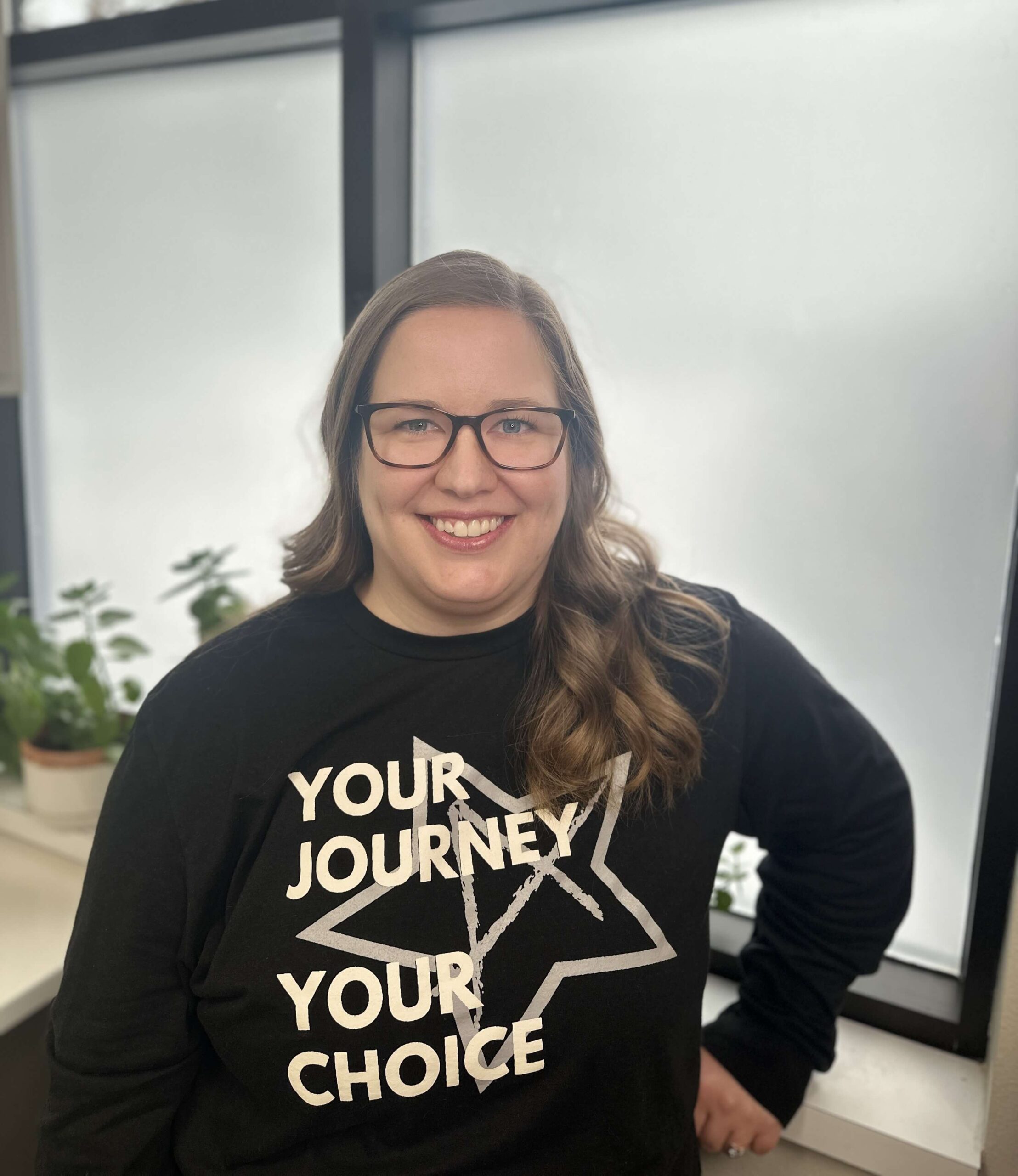
Matti Robinson (PCC | HR Coordinator)
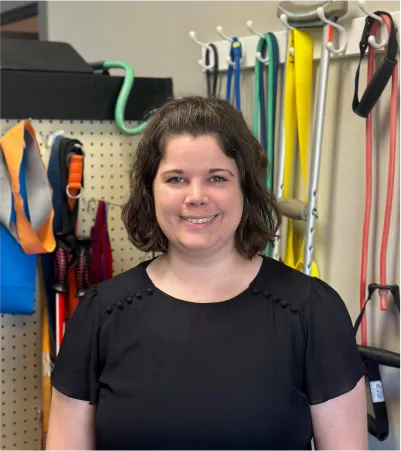
Matti is the receptionist at Achieve’s East Grand Forks location. She grew up in Fergus Falls, MN and attended the University of North Dakota, where she obtained her degree in Sociology. Matti has been with Achieve Therapy and Fitness since 2010. One of her favorite parts of working at Achieve is interacting with the patients and seeing them improve from visit to visit.
In her free time Matti likes to bake cupcakes, play piano, and going for bike rides. She currently resides in Grand Forks with her husband, Ryan, daughter, Lydia, and their two cats, Buster and Sam.
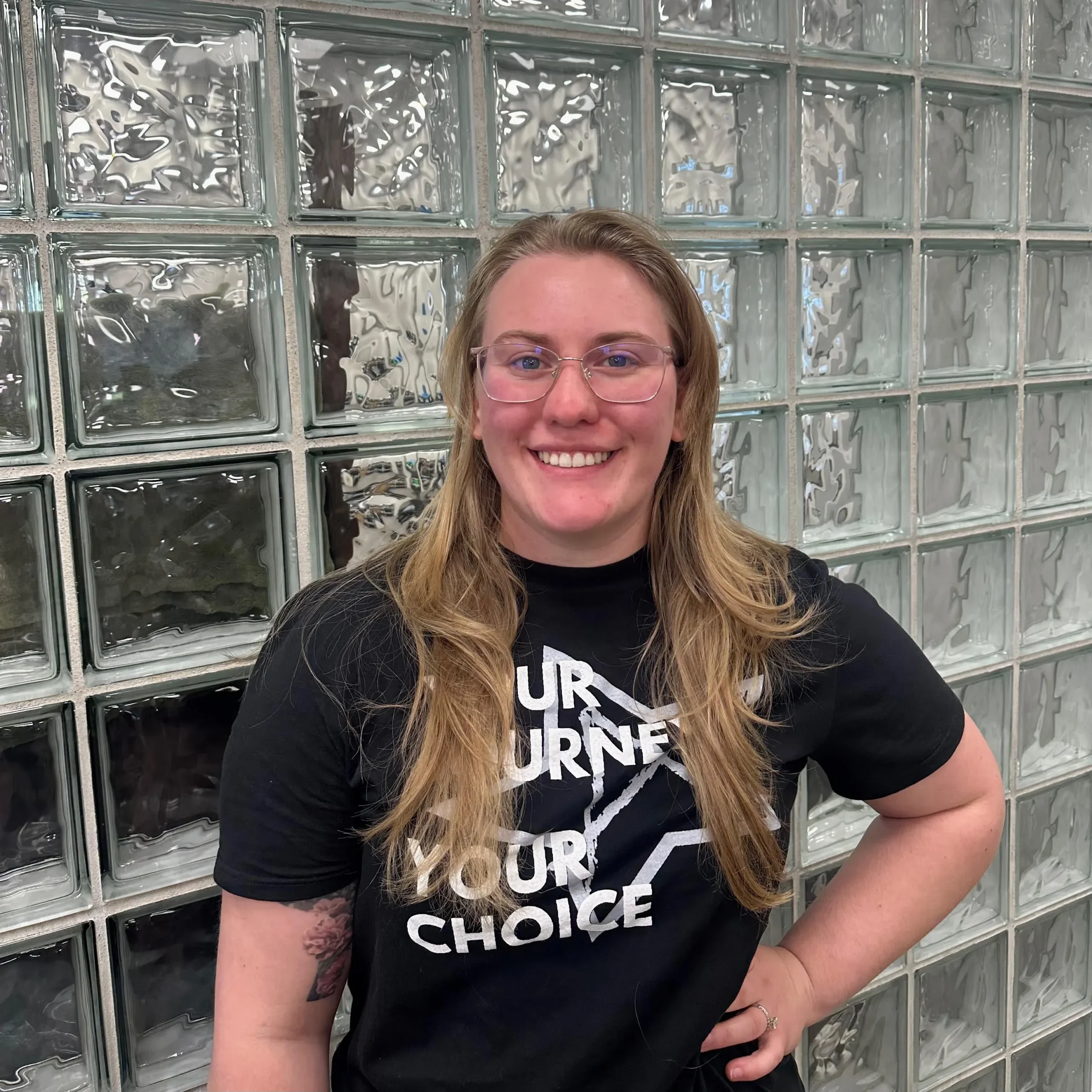
Kodi (PTA)
We’re excited to welcome Kodi, our newest Physical Therapist Assistant, to the team at our East Grand Forks location!
Kodi loves getting to know her patients and helping them reach their goals. Outside the clinic, she enjoys iced coffee, reading her Bible, spending time with her husband and family, hanging out with her cats, and traveling whenever she gets the chance.
We’re so glad to have her on the team! Make sure to say hello when you see her!
November Workshops
Low Back Pain
We Are Hiring for PTA and PT positions!
Interested in Joining Our Achieve Therapy & Fitness Team?
The team at Achieve Therapy, LLC takes joy in helping people in our communities Move Better, Feel Better & Play Better. If you are passionate about delivering quality care and making a real difference in people’s lives, we want you at Achieve Therapy! To fulfill our mission of helping people achieve “Performance for Life,” Achieve employs team members that are innovative, independent thinkers who have a willingness to learn and are coachable.
November Birthdays
Stacy Blomquist | November 8th
Have a wonderful birthday!
Recipe of the Month: Pumpkin Bread

Ingredients:
- 2 cups all-purpose flour, spooned into measuring cup and leveled-off
- ½ teaspoon salt
- 1 teaspoon baking soda
- ½ teaspoon baking powder
- 1 teaspoon ground cloves
- 1 teaspoon ground cinnamon
- 1 teaspoon ground nutmeg
- 1½ sticks (¾ cup) unsalted butter, softened
- 2 cups sugar
- 2 large eggs
- 1 (15-oz) can 100% pure pumpkin
Instructions:
- Preheat oven to 325°F and place rack in middle. Grease and flour two 8×4-inch loaf pans or use baking spray. In a bowl, whisk flour, salt, baking soda, baking powder, cloves, cinnamon, and nutmeg. In a mixer, beat butter and sugar until blended.
- Add eggs one at a time, beating well, then beat until light and fluffy. Mix in pumpkin (mixture may look curdled). Add dry ingredients and mix on low until combined.
- Divide batter between pans and bake 65–75 mins, until tester comes out clean. Cool in pans 10 mins, then transfer to wire rack.
Meet Our Team
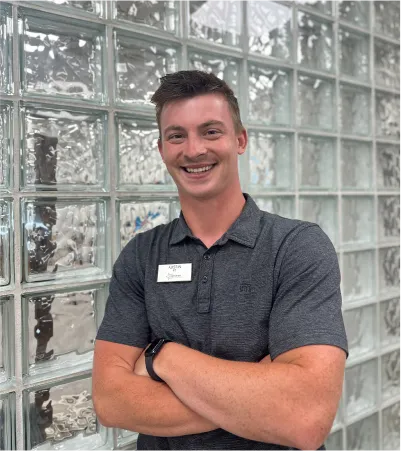
Austin Urlaub
PT, DPT
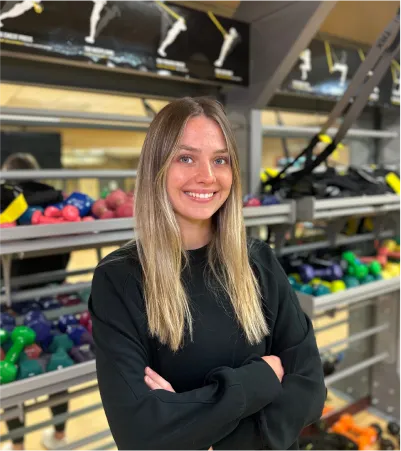
Kendra Emery
Fitness Instructor/Certified Trainer
Your Journey Your Choice
Did you know we can see you for PT with or without a doctor or other healthcare provider’s referral? One of our physical therapists will evaluate you, and customize a treatment plan to reduce your pain and get you moving better. Refer yourself or someone you care about! Get started today!