

How Physical Therapy Can Help with Rotator Cuff Injuries
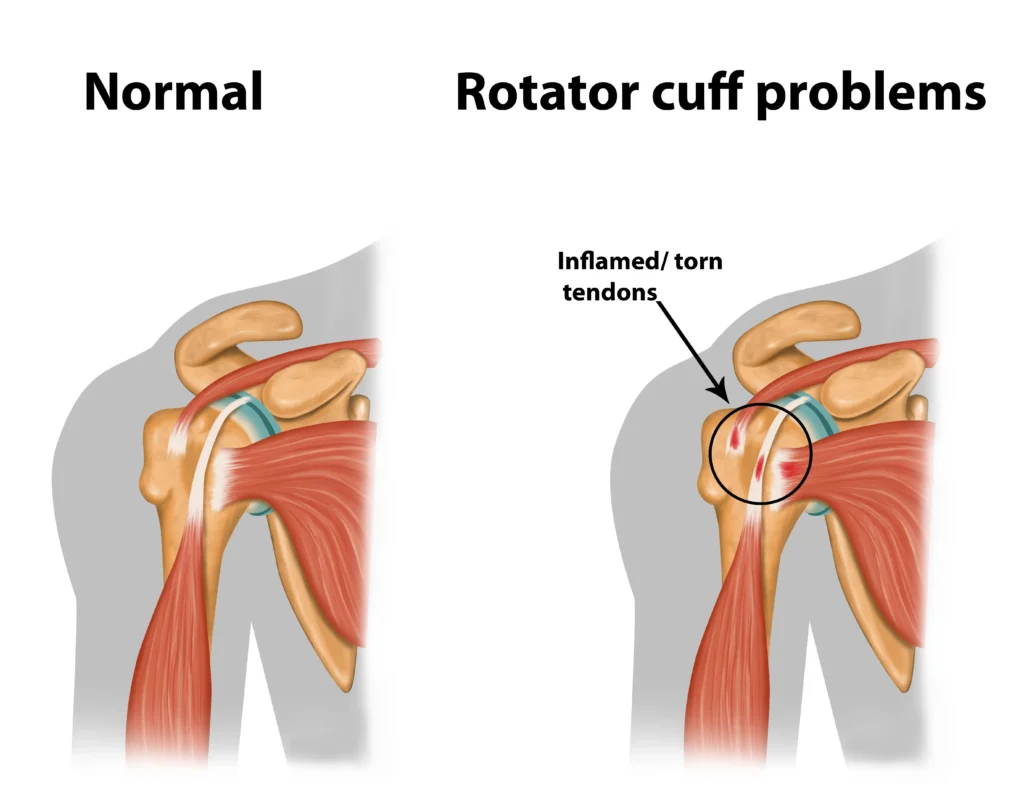
Imagine waking up one morning, eager to start your day, but as you attempt to brush your teeth, the pain in your shoulder sends a searing wave of discomfort through your entire arm. Suddenly, the simplest tasks become challenging. This scenario is all too familiar for individuals dealing with rotator cuff injuries, which can severely limit daily life functions. However, there is hope in the form of physical therapy—a proven and effective way to regain strength, mobility, and overall shoulder function. At Achieve Therapy, our physical therapists are highly trained and understand how important resolving your shoulder pain is. We’ll get to the root of your problem and provide clear guidance to help you recover sooner rather than later!
Contact our skilled team of physical therapists today and get started on your road to recovery!
The Impact of a Shoulder Injury
Rotator cuff injuries can disrupt your life in many ways, affecting your physical abilities and overall well-being. Some common limitations and challenges individuals face due to shoulder pain include:
- Painful Movements: Simple actions like reaching for an item on a high shelf, combing your hair, or even tucking in your shirt can become excruciatingly painful.
- Sleep Disturbances: Many people with shoulder injuries struggle to find a comfortable position, leading to disrupted sleep patterns and fatigue.
- Limited Range of Motion: Reduced shoulder mobility can hinder your ability to perform essential tasks, such as putting on a seatbelt or reaching behind your back.
- Loss of Strength: Weakness in the affected arm can make lifting even lightweight objects a daunting challenge.
For those grappling with these challenges, seeking help from Achieve Therapy can be a game-changer!

Our Patients Are Getting Great Results

After this reckless 56yr old crashed his electric scooter, I was left with pain in my wrist, shoulder and ego. I felt immediate relief at my first visit and I am well on my way to full recovery. (however, ego is still bruised). Knowledgeable, respectful and friendly staff are outstanding! Thanks all.
– Larry A.

The Role of Achieve Therapy in Your Recovery
When you consult a physical therapist for a rotator cuff injury, the initial evaluation is a critical step in the recovery process. Here’s what you can expect:
- Your physical therapist will start by discussing your medical history, including the onset and nature of your shoulder pain, any previous injuries, and your overall health.
- A thorough physical examination follows, focusing on the affected shoulder. This includes assessing your range of motion, strength, and any signs of inflammation or instability. To understand how your injury impacts your daily life, your therapist will assess your ability to perform essential tasks like reaching, lifting, and dressing.
- Based on the evaluation findings, your physical therapist will provide a diagnosis and work with you to establish clear goals for your rehabilitation.
Next, your therapist will design a program tailored to your unique needs, including:
Manual Therapy: Physical therapists often use manual therapy techniques, including joint mobilizations and soft tissue mobilizations, to alleviate pain and improve shoulder mobility. These techniques have been shown to reduce pain and enhance range of motion in individuals with rotator cuff injuries.
Therapeutic Exercises: A customized exercise program is a cornerstone of rotator cuff rehabilitation. Therapists prescribe exercises that target specific muscle groups, gradually improving strength and function.
Home Exercise Programs: Physical therapists provide patients with home exercise programs to promote continuity of care. Consistent adherence to these programs can improve rotator cuff rehabilitation outcomes.
Patient Education: Understanding the injury and learning how to prevent future problems is crucial. Our physical therapists educate patients about proper shoulder mechanics, posture, and ergonomics to reduce re-injury risk.
As you continue to progress in your recovery, functional training becomes vital. Tasks like lifting, reaching, and carrying are integrated into the rehabilitation program to ensure you regain your ability to perform daily activities without pain or limitation.
Taking the First Step Towards Recovery
If you’re dealing with the challenges of a rotator cuff injury, don’t let it limit your life any longer. Seek the expertise of one of our highly skilled physical therapists who can provide a personalized treatment plan based on your unique needs and goals. Your path to regaining strength, mobility, and a pain-free shoulder begins with a simple but crucial step: reaching out to us today!
Don’t wait — start your journey towards recovery today!
Meet Our Team
Grand Forks Workshops
Rotator Cuff
Park Rapids Workshops
Rotator Cuff
Easy Sausage & Herb Stuffing
Ingredients:
- 8 cups (400g) store-bought unseasoned stuffing cubes
- 1 stick (½ cup) unsalted butter
- 1½ cups diced yellow onion (from 1 large or 2 small onions)
- 1 cup diced celery (from 3 large celery stalks)
- 4 garlic cloves, finely chopped
- 1 pound bulk sweet Italian sausage (i.e., sausage with the casings removed)
- 2¾ cups low sodium chicken broth
- 1 large egg, beaten
- 1 tablespoon fresh chopped rosemary
- 1 tablespoon fresh chopped sage
- ¼ cup fresh chopped parsley
- ½ teaspoon salt
- ½ teaspoon freshly ground black pepper
Directions:
- Preheat the oven to 350°F. Grease a 9 x 13-inch baking dish with butter.
- Place the stuffing cubes in a large mixing bowl.
- In a large sauté pan, melt the butter. Add the onions and celery and cook over medium heat, stirring occasionally, for about 8 minutes, or until the vegetables are soft. Add the garlic and cook 2 minutes more. Add the vegetables to the stuffing cubes. (Don’t wash the pan but scrape out every last bit of vegetables, otherwise they will burn in the next step.)
- In the same pan, cook the sausage over medium heat for 8-10 minutes, until browned and cooked through, breaking up the sausage with a metal spatula while cooking (the largest pieces should be no greater than ¼-inch). Add the browned sausage and fat to the bread cubes and vegetables.
- Add the chicken broth, egg, rosemary, sage, parsley, salt and pepper to the bread cube mixture and mix until the bread is soft and moistened. Transfer the stuffing to the prepared baking dish and bake for 65-75 minutes, uncovered, until deeply golden and crisp on top.
December Staff Birthdays
Gary Schindler
Michelle Ellis
Wishing you a wonderful birthday.

Understanding Rotator Cuff Injuries: Signs and Symptoms
If you’ve been experiencing shoulder pain or discomfort, it’s essential to understand the signs and symptoms of a potential rotator cuff injury. By recognizing these indicators, you can take the crucial first step towards seeking appropriate care and embark on your path to recovery.
Rotator cuff injuries can vary in severity, in addition to pain, they often share these five signs and symptoms:
- Disturbed Sleep: Rotator cuff pain often worsens at night, interfering with sleep. Sleeping on the affected side can be particularly uncomfortable.
- Weakness: Individuals with a rotator cuff injury may experience weakness in the affected shoulder, making it challenging to perform tasks that require lifting, reaching, or holding objects.
- Limited Range of Motion: Reduced mobility in the shoulder is a common symptom. You may struggle to raise your arm, reach behind your back, or perform overhead activities.
- Difficulty with Daily Activities: Rotator cuff injuries can impact daily tasks such as combing hair, dressing, and reaching for items on high shelves. It can also affect sports and recreational activities.
- Gradual Onset: Some rotator cuff injuries develop gradually over time due to overuse, while others may result from a sudden injury or trauma, such as a fall or lifting heavy objects.
Take the First Step Towards Recovery
It’s essential to seek help from one of our Achieve Therapy specialists if you experience any of these symptoms, as early intervention can lead to more effective treatment and improved outcomes. Our physical therapists can assess your shoulder and tailor a treatment plan to address your specific needs and goals. Don’t wait to get help; call today and schedule a consultation!
We Are Hiring for PTA and PT positions!
Interested in Joining Our Achieve Therapy & Fitness Team?
The team at Achieve Therapy, LLC takes joy in helping people in our communities Move Better, Feel Better & Play Better. If you are passionate about delivering quality care and making a real difference in people’s lives, we want you at Achieve Therapy! To fulfill our mission of helping people achieve “Performance for Life,” Achieve employs team members that are innovative, independent thinkers who have a willingness to learn and are coachable.

Online Fitness Classes: November 1st – March 31st!
For our members heading south for the winter, we’re thrilled to offer limited live stream, online classes so you can stay active and connected, no matter where you are!
Mondays, Wednesdays, Fridays
8:00 a.m. CST – Move & Groove
9:00 a.m. CST – Yogalates
10:00 a.m. CST – Stability & Balance
Tuesdays & Thursdays
Tuesday: 8:30 a.m. CST – Beginner Yoga
Thursday: 8:30 a.m. CST – Gentle Flow
FREE for Active Members
$37/month for Silver Sneakers Members
$175 Bundle Deal (Nov. – March)
Our fitness staff will be available for any questions!