


A Comprehensive Look at How Posture Affects the Shoulder
Shoulder pain is an all-too-common complaint, making routine activities like lifting, typing, and even sleeping difficult. It seems like every week we get a patient who comes to us with shoulder pain related to poor postural habits.
A lot of people know the old song about how the foot bone is connected to the knee bone (and the knee bone is connected to the thigh bone, and so on). In the world of physical therapy, we call this regional interdependence. This means something in one area of the body is affecting another area. As the song says: it’s all connected.
Well, this is definitely true when it comes to the functioning of our shoulder joints. Poor postural habits and prolonged slumped postures put the shoulder in a vulnerable position, making it susceptible to pain or injury. The good news is our therapists at Achieve Therapy and Fitness have extensive training in identifying all the factors that are contributing to your shoulder pain and, most importantly, how to resolve them, one by one!
Meet the Newest Members of Our Team!
We’re excited to officially welcome two new faces (you may have already seen around the clinic!) to our growing team.
Kimmie – Physical Therapy Assistant (East Grand Forks Location)
Please join us in welcoming Kimmie, our new Physical Therapy Assistant at the East Grand Forks clinic! You may have already seen her around, jumping in to assist with treatments and supporting patients during their recovery. Kimmy brings great energy, compassion, and a true dedication to helping others—making her a perfect fit for our team.

Melissa – Patient Care Coordinator (Grand Forks Location)
Say hello to Melissa, our new Patient Care Coordinator at the Grand Forks location! If her friendly smile looks familiar, it’s because she’s already been busy helping patients at the front desk. Melissa’s warm personality and strong organizational skills ensure every visit runs smoothly and feels welcoming from start to finish.
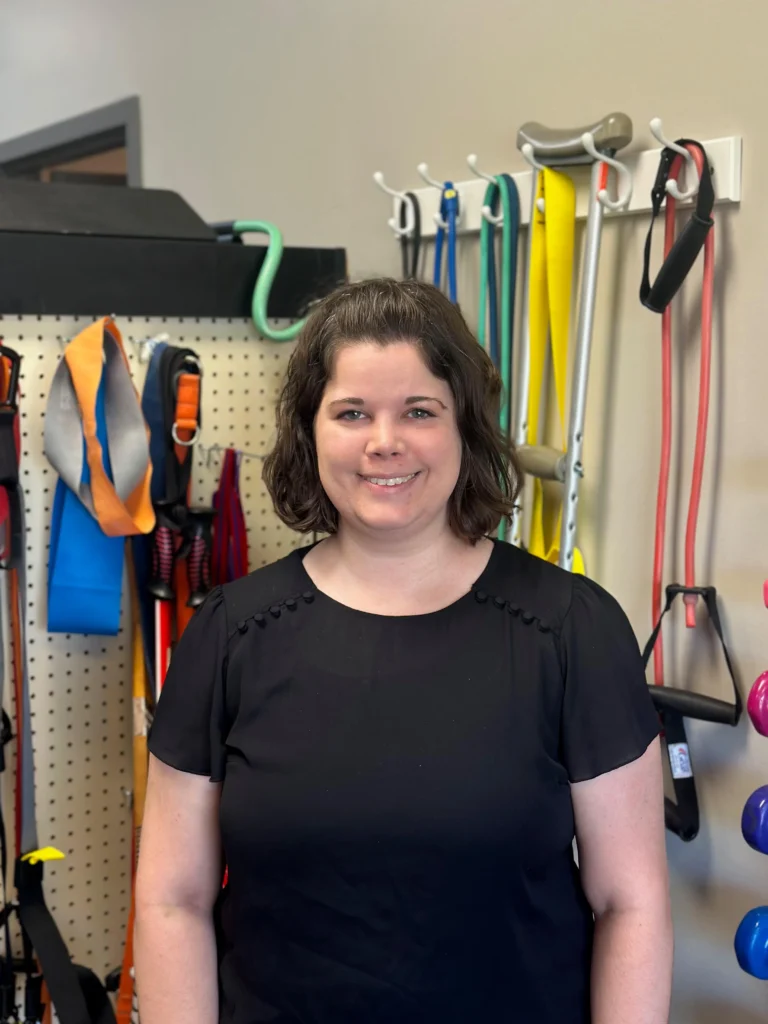
We’re thrilled to have Kimmie and Melissa officially on board. Be sure to say hello if you haven’t already!

We’d love your feedback!
If you’ve had a great experience at Achieve Therapy and Fitness, please take a moment to leave us a Google review. Your feedback helps others find the care they need and helps us continue providing excellent service!
How Posture Impacts the Shoulder
One significant factor contributing to shoulder pain is Upper Crossed Syndrome (UCS). This condition is characterized by postural changes that affect how the muscles of our upper back and shoulder girdle work, which in turn affects the normal movement patterns in the entire upper portion of the body.
The classic signs of Upper Crossed Syndrome include:
- Forward head posture: The head is positioned forward in relation to the shoulders.
- Rounded shoulders: The shoulders are rounded forward, causing the upper back to appear hunched.
- Increased thoracic kyphosis: The upper back has an increased curvature, leading to a rounded appearance.
- Protracted shoulder blades: The shoulder blades are positioned more forward and away from the spine.
- Weak deep neck flexors: The muscles at the front of the neck that help stabilize the head are weak.
- Tight pectoral muscles: The muscles in the chest area are tight and may contribute to the rounded shoulder posture.
- Weak scapular stabilizers: The muscles that stabilize the shoulder blades are weak, leading to altered movement patterns.
These issues often lead to shoulder pain, limited range of motion, and impaired muscle function. Although the signs are common in a lot of people, not everyone with these signs will have the same symptoms. This is why it is essential to consult one of our physical therapists to identify your specific needs and design a tailored treatment plan that addresses your situation.

The Role of Physical Therapy in Resolving Your Pain
The first step to resolving your shoulder pain is a comprehensive evaluation. Our physical therapists will conduct a thorough history and physical exam that includes an assessment of your posture as well as the function of your shoulder blade musculature to identify any obvious changes to muscle activation and movement patterns.
Based on the assessment, our physical therapists will design tailored exercise regimens that address not only muscle length and strength but also neuromuscular factors. This could lead to more lasting relief and functional improvement.
Our team uses a functional approach that is rooted in neurology. We consider the interaction between your nervous system, biomechanics of your spine and shoulder joints, as well as muscle function. This allows us to not only identify and address any imbalances in muscle length and strength, but also from neuromuscular factors like muscle recruitment.
These exercises may include work on your spinal joint mobility and strengthening exercises to correct any postural dysfunctions contributing to your conditions. Our team spends a lot of time educating you about how you are holding and moving your body to ensure you have the tools to train your body in the proper movement patterns that help to correct imbalances and offer lasting relief.
Take the First Step Towards Lasting Relief Today
If you’re experiencing persistent shoulder pain, limited range of motion, or discomfort in your upper body, the time to act is now. These signs are not just distressing; they can have a long-term impact on your quality of life and overall well-being. Reach out to Achieve Therapy and Fitness today for a comprehensive assessment and personalized treatment plan designed to restore balance to your muscles, improve your posture, and, most importantly, alleviate your pain!

Laurie Holte (PT, MPT)
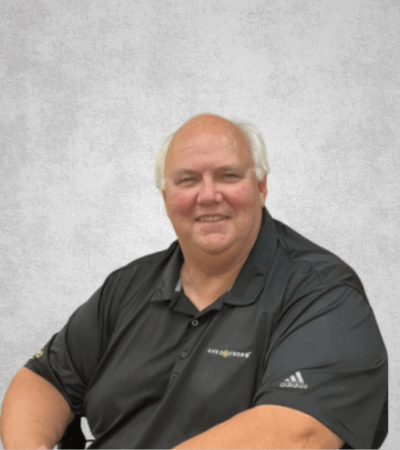
Laurie Holte, MPT, received her master’s degree in physical therapy from the University of North Dakota in 2001. She started as a staff therapist for HealthSouth following graduation, where she worked until leaving with three other clinicians to open Achieve Therapy, LLC in 2003. Laurie specializes in outpatient orthopedics (both conservative and post surgical). She treats chronic pain issues such as fibromyalgia and other forms of arthritis. She has advanced training in lymphedema management and women’s health services for the evaluation and treatment of urinary incontinence and pelvic/low back pain. She is trained as a postpartum exercise specialist (PCES). She has advanced training in Primal Reflex Release and Pain Neutralization Techniques. She is trained in Dry Needling. She is a Certified ASTYM and Blood Flow Restriction (BFR) Therapy provider. Laurie and her husband Rick enjoy spending time at the lake, athletics of any kind, and foremost, family time with their three daughters.
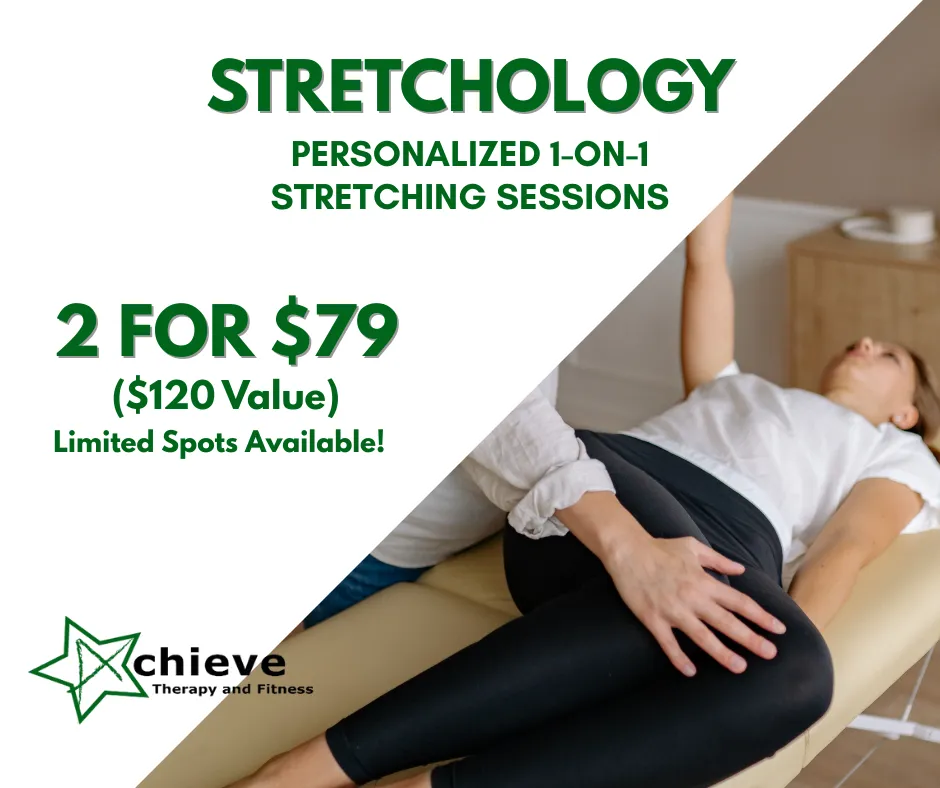
Introducing Stretchology
Stretchology is our new one-on-one stretching service designed to help you move better, feel better, and stay active—at any age.
Each 60-minute session is performed by certified trainer Kendra and takes place on a comfortable, treatment-style table. You’ll be guided through a personalized series of assisted stretches based on your mobility needs and goals.
Benefits of Stretchology
- Improve flexibility & range of motion
- Reduce tension and soreness
- Enhance posture and body alignment
- Support recovery and injury prevention
- Promote relaxation and stress relief
October Workshops
Knee Pain
We Are Hiring for PTA and PT positions!
Interested in Joining Our Achieve Therapy & Fitness Team?
The team at Achieve Therapy, LLC takes joy in helping people in our communities Move Better, Feel Better & Play Better. If you are passionate about delivering quality care and making a real difference in people’s lives, we want you at Achieve Therapy! To fulfill our mission of helping people achieve “Performance for Life,” Achieve employs team members that are innovative, independent thinkers who have a willingness to learn and are coachable.
October Staff Anniversaries
Healther Walsh | 1st | 21 years
Greg Painter | 3rd | 9 years
Darcey Osowski | 5th | 8 years
Thank you for your years of service.
Go to the Pain, Not Through the Pain
The days of “no pain, no gain” are hopefully in the past. The idea of emphasizing pushing through discomfort to achieve results is not an effective solution for most people dealing with a painful condition, injury, or chronic condition. In fact, recent research suggests that a more holistic approach is effective and, indeed, safer for patients.
Pain is our body’s way of letting us know that something is happening in the body. When a nerve ending is triggered, an impulse travels to the brain, alerting us that something is happening. It is a warning sign or an alarm. How this impulse is interpreted varies from person to person and is influenced by a multitude of factors. Aggressively pushing through pain can worsen the underlying issues and potentially result in long-term damage. The key is getting help from people who work with painful conditions every day, like our therapists at Achieve Therapy and Fitness!

How Physical Therapy Can Help You Find Relief
In cases of musculoskeletal disorders and injuries, applying excessive stress on already agitated tissues can prolong the healing process and even cause further injury. In comparison, going to the pain but not through it means cautiously approaching the edge of discomfort without crossing it, which can help your body progress without delaying your recovery.
Our objective is to work within a “therapeutic window”: a range of activities that stimulates the body’s natural healing mechanisms without triggering negative responses.
At Achieve Therapy and Fitness, we educate our patients about pain to help them understand their conditions better and actively participate in treatment. Our therapist can help you learn “pacing,” where activities are broken down into manageable parts, helping you to avoid extreme ups and downs of feeling good one day and an increase in pain and inactivity the next.
By respecting the body’s pain signals and working within a therapeutic window, our approach aims to achieve long-term functional gains without the risks associated with pushing through pain.
Recipe of the Month: Breakfast Tacos

Ingredients:
- 4 large eggs
- Sea salt
- ½ teaspoon avocado oil
- 1 cup Pico de Gallo
- ¼ cup grated cheddar cheese or Mexican cheese blend
- ½ avocado, sliced
- 4 corn or flour tortillas, warmed or charred over a gas flame
- Fresh cilantro leaves, for garnish
- Hot sauce, for serving
Instructions:
- In a medium bowl, beat the eggs with a pinch of salt.
- In a medium nonstick skillet, heat the avocado oil over medium heat. Add half the pico de gallo and cook, stirring, for 3 to 5 minutes, or until lightly softened. Add the eggs and scramble until just set. Stir in the cheese and remove from the heat.
- To assemble breakfast tacos, divide the eggs and avocado slices among the tortillas. Top with the remaining pico de gallo and cilantro. Serve with hot sauce.
Meet Our Team

Your Journey Your Choice
Did you know we can see you for PT with or without a doctor or other healthcare provider’s referral? One of our physical therapists will evaluate you, and customize a treatment plan to reduce your pain and get you moving better. Refer yourself or someone you care about! Get started today!