


The Relationship Between Lower Back Pain and Pelvic Pain
Most of us will experience back pain at some point in our lives. We might get a little too enthusiastic when moving furniture or develop muscular imbalances due to a sedentary job. But sometimes, back pain isn’t really back pain–rather, it’s rooted in dysfunction in your pelvic area.
Unfortunately, pelvic pain is often harder to discuss than back pain. It often stems from dysfunction with your pelvic floor, the band of muscles that support your bladder, bowels, and genitals. It can also indicate an issue with your sacroiliac joints.
Both back and pelvic pain can strike men and women–but women do tend to have more issues with pelvic pain, including pelvic-related back pain. Bodily changes during pregnancy are an especially common culprit.
If you’re dealing with pain in your lower back or pelvic area–or both–call Achieve Therapy to schedule an appointment. We’ll help determine the actual source of your pain so you can find lasting relief.
Understanding the Causes of Lower Back and Pelvic Pain
Lower back pain is widespread and has several potential causes, including herniated discs, sprains and strains, poor posture, and spinal arthritis–not to mention various contributing factors like poor posture or muscular weakness. But if that pain spreads into your pelvic area, there may be something else going on. In fact, lower back pain without a clear underlying cause often stems from dysfunction in the pelvic area, such as the following:
- Impaired pelvic floor: Did you know that your pelvic floor muscles make up part of your core, which supports and stabilizes your spine? If your pelvic floor muscles are weakened or impaired, your back muscles have to do more work to compensate–setting you up for muscle strains or other injuries.
- Sacroiliac joint dysfunction: The sacroiliac joint is the joint that links the spine to the pelvis, so it should be surprising that if something’s wrong there, you may feel pain in both your lower back and your pelvic area. Arthritis, injury, and pregnancy can all cause issues in the sacroiliac joint.
- Pregnancy: Pregnancy itself is a common cause of pain throughout the lower back and pelvic area. There are two main reasons for this:
- Hormonal changes cause your ligaments to become looser in preparation for childbirth, which puts strain on your lower back and pelvis.
- Your center of gravity changes, and your growing baby can force your hips back at an awkward angle, leading to pain.
Helping You Find Relief, No Matter the Source
When it comes to pain in your lower back and pelvis, the first step our therapists take is to identify the source of your pain. That way, we can provide the customized treatment you need to resolve the pain at its root rather than merely treating symptoms.
We’ll begin with a comprehensive evaluation. Our therapists provide a welcoming, discreet space where you can freely share your symptoms–including pelvic-related symptoms that might feel embarrassing. Make sure you share…
- The exact location of your pain
- The pain’s sensations–is it burning? Dull? Aching?
- When do you feel pain? Is it persistent? Do you mostly notice it when you wake up?
- Any restrictions in range of motion you might be experiencing
- Any pelvic-related symptoms you might be experiencing, such as incontinence or sexual dysfunction
Once we’ve reviewed your symptoms and taken a full health history, we’ll conduct an in-depth physical evaluation, including running several movement screens. All this information helps us determine whether or not your pain is rooted in your lower back, pelvic area, or somewhere else–and that helps us develop your personalized treatment plan.

April Workshops
Hip Pain
Pelvic Floor
A message of gratitude from our PT, Laurie Holte, and her family:
Dear Achieve Therapy family and friends,
On behalf of the Richard and Peggy Bares family, I would like to send out a heartfelt thank you for all of the love, prayers, donations, and support, bestowed to us the last many months of Dad’s illness and hospitalization. Since his sudden diagnosis of Guillain Barre last July, rendering him paralyzed from the neck down and on a ventilator, we have held fast to the hope that he would recover. Mom has kept a 24/7 vigil beside him through it all, staying with him in his room these last seven months, caring for and advocating for him at every step of the way. He is gradually improving. Though he remains on the ventilator, his respiratory muscles are getting stronger. He is now able to move his arms and trunk. His leg muscles are starting to fire upon command. He has been able to speak to us recently through the assistance of a speaking valve on his ventilator. They remain in a nursing and rehab facility in Provo, Utah. Our hope is that once off the ventilator, we might be able to bring him closer to home to continue his recovery.
The generosity and care that has been demonstrated to us has been overwhelming and humbling to say the least. Our hearts are full and our faith steadfast in this journey to bring Dad and Mom home, with endless gratitude to each of you for lifting us up in so many ways.
As we wrap up our fundraiser, we want to thank everyone for their contributions. Your generosity continues to provide invaluable support as they navigate this journey. We are deeply grateful for every single person who has been part of this journey. Your kindness has truly lifted their spirits, and we will continue to support them on their path toward healing.
Our Patients Are Getting Great Results

Consummate professionals who get you moving again. I highly recommend.
– Catherine B.
Move Comfortably with the Help of Laser Therapy
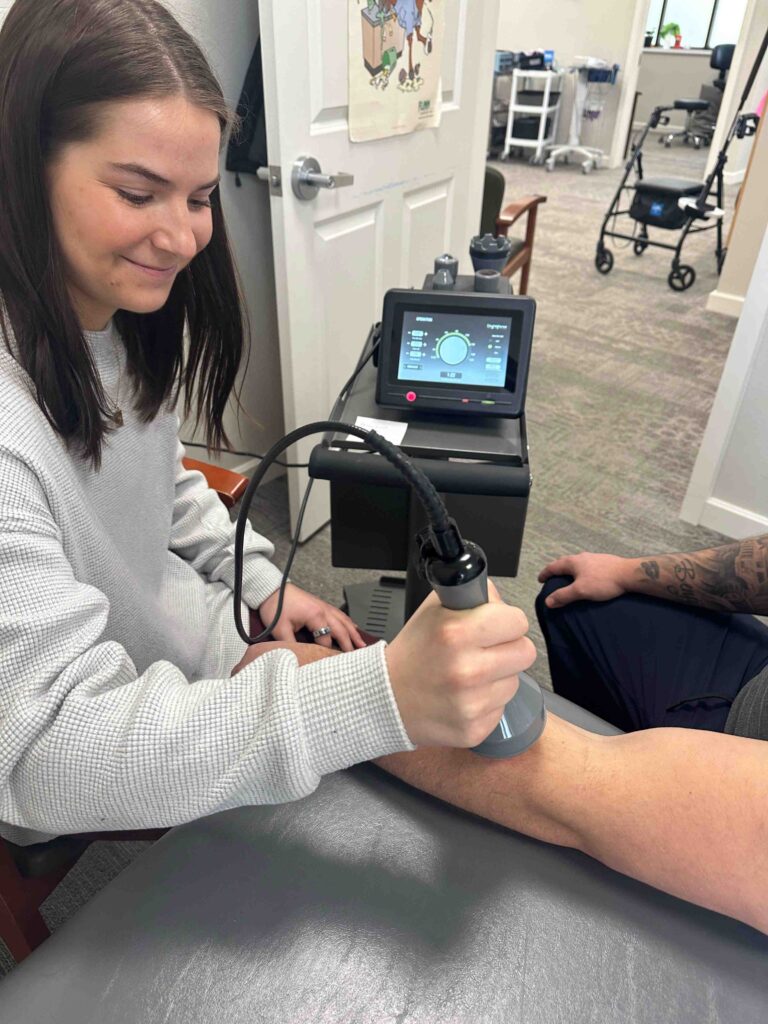
If you haven’t yet given laser therapy a chance, it could be just the treatment you need. While it may sound daunting, it is actually a great way to help alleviate pain and promote healing. Laser therapy is a treatment offered at Achieve Therapy and Fitness for its safe, effective, and non-invasive way to treat pain and aid in the recovery of many conditions.
Laser treatments work by releasing photons into the tissues surrounding the affected area that is being treated. These photons help in relieving pain, energizing cells, and increasing circulation to the injured area. Laser treatments are completely pain-free, despite common skepticism. When you receive a laser treatment, you will feel little to no sensation at all, depending on the type of laser that is being used.
April Staff Anniversaries
Nicole Chine | April 15th | 18 years
Thank you for your years of service.
April Staff Birthdays
Matti Robinson | April 6th
Darcey Osowski | April 14th
Wishing you a wonderful birthday.
Targeted Treatments So You Can Find Relief
Our treatment plans will vary based on your exact needs. In general, though, we aim to help you with the following:
- Find immediate pain relief through manual therapy techniques or gentle stretches
- Improve mobility through targeted range of motion exercises
- Strengthen any weakened or impaired muscles, whether in your back or pelvic floor
- Provide you with the tools you need to avoid future bouts of pain
We Are Hiring for PTA and PT positions!
Interested in Joining Our Achieve Therapy & Fitness Team?
The team at Achieve Therapy, LLC takes joy in helping people in our communities Move Better, Feel Better & Play Better. If you are passionate about delivering quality care and making a real difference in people’s lives, we want you at Achieve Therapy! To fulfill our mission of helping people achieve “Performance for Life,” Achieve employs team members that are innovative, independent thinkers who have a willingness to learn and are coachable.
Call Us Today To Get Started!
If you’re struggling with back or pelvic pain, the Achieve therapists will help you get to the bottom of things. Call to make your appointment today!
Recipe of the Month: Stuffed Peppers

Ingredients:
- 4 bell peppers (any color)
- 3/4 lb. lean, ground turkey
- 1/2 medium onion (chopped)
- 1/2 cup uncooked brown rice
- 14.5 oz. canned, no-salt-added, diced tomatoes
- 1 clove fresh, minced garlic (or 1 teaspoon garlic minced from jar)
- 1 tsp. reduced-sodium Italian seasoning (lowest sodium available)
- 1/4 tsp. crushed red pepper flakes (for spiciness), (optional)
- 8 oz. canned, no-salt-added tomato sauce
Instructions:
- Preheat oven to 350 degrees. Cook rice to package instructions (omitting salt). While the rice is cooking, in skillet over medium heat, brown the turkey. Add the onion and cook for 3 minutes more (until onion becomes translucent).
- Wash the bell peppers and remove the tops, seeds and membranes. Set peppers in a 9×9 baking dish or line them up in a loaf pan, so they stand upright.
- In a medium mixing bowl, mix turkey, rice, tomato, garlic, Italian seasoning, and pepper. Spoon into each pepper. Spoon tomato sauce evenly over the top of the 4 peppers. Bake 1 hour in the oven, until peppers are tender.
Meet Our Team
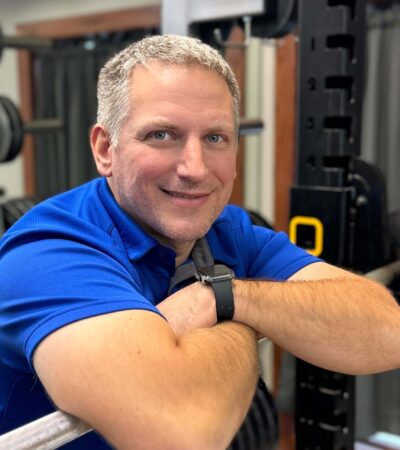
Tom Carson
PT, DPT, FDNS

Michelle Jenson
ATC, PTA

Laurie Holte
PT, MPT
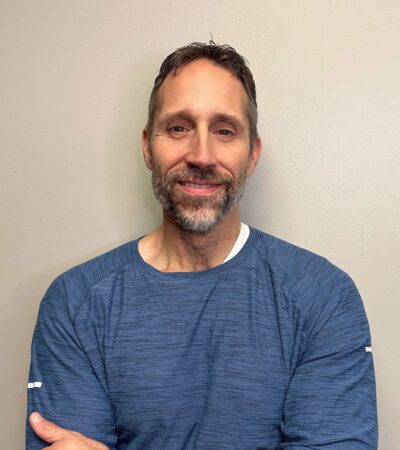
Gary Schindler
PT, DPT, PhD, OCS, SCS, ATC
A Quick Introduction to Pelvic Floor Physical Therapy
When was the last time you thought about your pelvic floor? This sling of muscles isn’t visible, but it plays a significant role in our overall health and well-being:
- It makes up part of our core muscles, which help us move better and more effectively.
- It supports our pelvic organs–bowels, bladder, and, in women, genitals.
- If it’s impaired, you can suffer a range of symptoms, from pain to sexual dysfunction.
Pelvic floor physical therapy is a specialized form of physical therapy that focuses on matters of the pelvic floor. It uses the same principles as standard physical therapy, including identifying the source of your discomfort and providing you with a personalized treatment plan.
What Can I Expect From Pelvic Floor Physical Therapy?
- Help with pelvic-related conditions such as incontinence, pelvic pain, sexual dysfunction, or pelvic prolapse.
- A discreet space where you can freely share symptoms and work with a therapist specially trained in women’s health and/or pelvic floor issues.
- Guidance in identifying the deep muscles that might be causing you issues–such as your pelvic floor, deep abdominals, or diaphragm. These muscles are not visible, so working on them can be a challenge.
- Information about using these muscles correctly and targeted exercises to stretch and strengthen them.
- Simple pelvic floor exercise plans that you can do at home.
We offer pelvic floor physical therapy here at Achieve Therapy. If you’d like to learn more about what it can do for you, call us today!
Your Journey Your Choice
Did you know we can see you for PT with or without a doctor or other healthcare provider’s referral? One of our physical therapists will evaluate you, and customize a treatment plan to reduce your pain and get you moving better. Refer yourself or someone you care about! Get started today!