


The Benefits of Pre-hab and Post-Op Therapy
Bounce Back Faster With PT Before And After Surgery
Have you ever wondered how to ensure a smooth recovery after surgery? Do you want to minimize pain and get back to your normal activities as quickly as possible? If you answered yes to either of these questions, then pre-hab and post-op physical therapy may be just what you need.
All About Pre-habilitation
Think of pre-hab as preparing your body for the challenges of surgery and recovery. Just like an athlete trains before a big game, pre-hab prepares your body for the “game” of surgery.
Benefits of Pre-hab
- Helps you understand what to expect after surgery, reducing anxiety.
- Improves strength and mobility, making surgery and recovery easier.
- Reduces pain and swelling before surgery.
- Can help shorten hospital stays.
- Decrease the risk of complications.
What To Expect in Pre-hab
- Breathing exercises and relaxation techniques to manage anxiety.
- Manual therapy to improve circulation and help manage inflammation and reduce pain.
- Exercises to improve range of motion, strength, and overall mobility.
- Education on after-surgery pain management and proper surgical site care.
Post-op Physical Therapy
Post-op physical therapy is all about rehabilitation and restoring your body to its optimal function after surgery.
Benefits of Post-op Physical Therapy
- Helps you regain independence and return to your daily activities.
- Reduces pain and inflammation.
- Improves range of motion and overall mobility.
- Strengthens muscles and improves overall function.
- Prevents complications like blood clots and infections

Our Patients Are Getting Great Results

Great friendly staff always left feeling encouraged after my back surgery 7 months ago. They have helped me get my life back to normal through a therapy program. Feel extremely blessed to have their knowledge and experience.
– Vicki T.
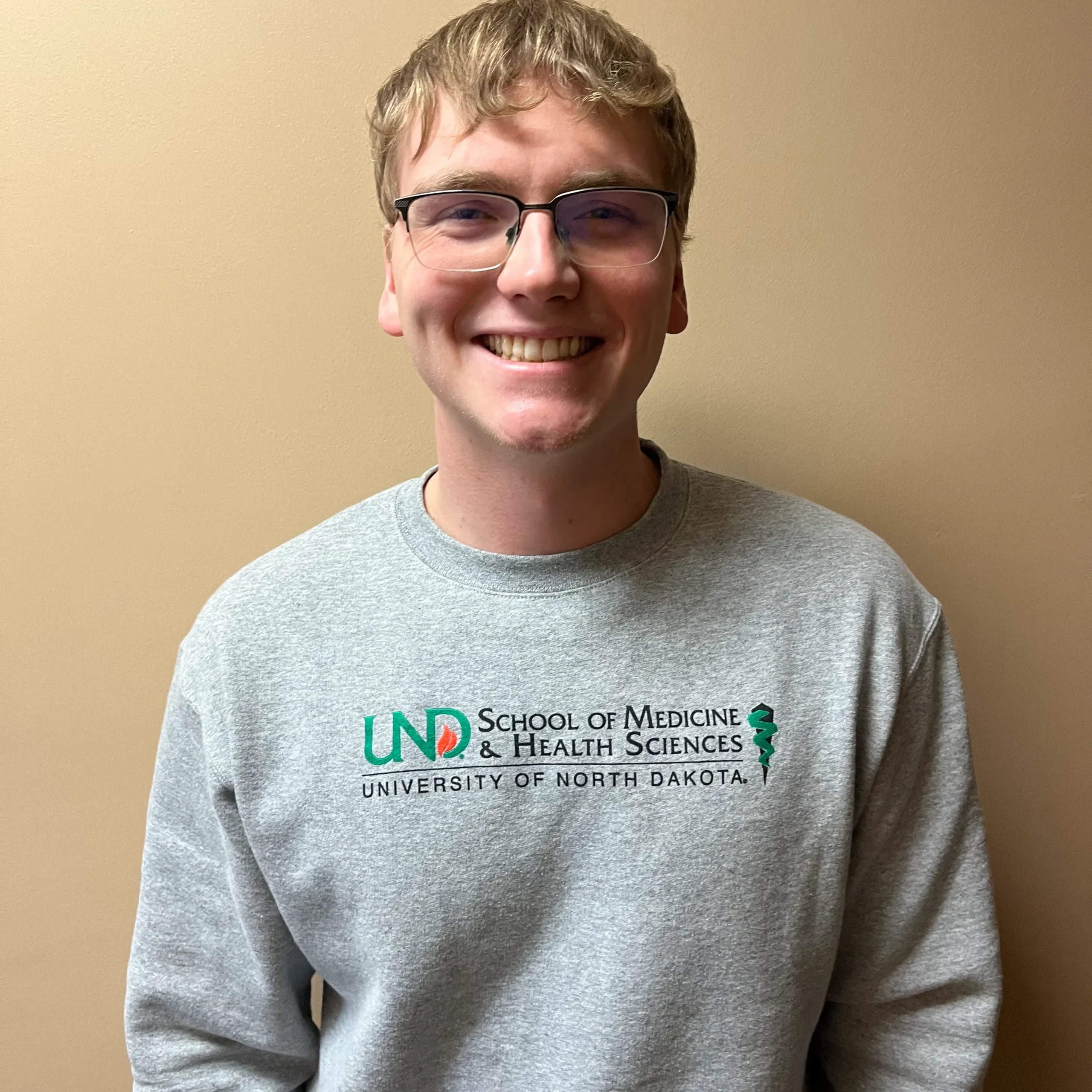
Say Hello to Our New Fitness Coordinator: Benett
We’re excited to introduce our new Fitness Coordinator, Benett! Now accepting personal training clients — reach out to book a session with Benett and take your fitness journey to the next level! Benett is here to assist with fitness classes, training sessions, orientations, and all things fitness-related.
Originally from Milbank, SD, Benett grew up on a farm with his two sisters, Lydia and CJ, and two dogs, Winnie and Toby. When he’s not helping you crush your fitness goals, you can find him working out, fishing, hunting, or playing board games with friends. He’s also been accepted into the University of North Dakota’s Physical Therapy program starting Fall 2025 — we’re excited to see all the great things he’ll accomplish!
March Staff Anniversaries
Gary Schindler | March 1st | 11 years
Thank you for your years of service.
March Staff Birthdays
Robin Tracy | March 3rd
Tom Carson | March 16th
Olivia Strickler | March 16th
Wishing you a wonderful birthday.
Common Surgeries Where Pre-hab and Post-op PT Have Great Results
Joint Replacements
Pre-hab strengthens the muscles surrounding the joint, making surgery and recovery smoother. Post-op PT helps regain range of motion and strength, allowing you to return to your favorite activities.
Spinal Surgeries
Pre-hab focuses on core strengthening and flexibility, crucial for spinal stability. Post-op PT helps you regain mobility and strength, reducing pain and improving function.
ACL Reconstruction
Pre-hab reduces or eliminates swelling, improves range of motion, and strengthens the muscles surrounding the knee, preparing it for surgery. Post-op PT is essential for regaining range of motion, strength, and stability, allowing you to return to activities.
Rotator Cuff Repair
Pre-hab focuses on shoulder mobility and strength. Post-op PT is vital for regaining range of motion, strength, and function, allowing you to return to overhead activities.
Pre-hab and Post-op PT With Achieve Therapy
Your first pre-op appointment is an important step toward a successful surgery and recovery. At your first visit, our experienced physical therapists will conduct a thorough evaluation of your current physical condition, including your strength, injury, range of motion, and any existing limitations. We’ll discuss your surgical procedure and recovery goals to create a personalized pre-hab plan tailored to your specific needs. Our goal is to empower you with the knowledge and tools you need to optimize your physical preparedness for surgery, setting the stage for a smoother and faster recovery.
Your recovery starts before surgery. Invest in pre-hab and post-op PT, and get back to doing what you love sooner. Contact us today to schedule an appointment!

Green Muffins Recipe — Perfect for St. Patrick’s Day
Ingredients:
- 2 cups whole wheat pastry flour, white whole wheat flour or spelt flour
- 2 teaspoons aluminum-free baking powder
- ½ teaspoon baking soda
- ½ teaspoon fine ground sea salt
- 1 large egg
- ¾ cup pure maple syrup
- ¾ cup dairy or non-dairy milk such as almond milk
- ¼ cup unrefined coconut oil melted
- 2 teaspoons pure vanilla extract
- 1 5- or 6-ounce bag of fresh baby spinach leaves
- 2 medium ripe bananas mashed
Directions:
-
Preheat oven to 350 degrees and line a standard 12-cup muffin tin with unbleached parchment liners.
-
In a large bowl, whisk together the flour, baking powder, baking soda and salt.
-
In a blender add egg, maple syrup, milk, oil, vanilla and spinach. Process until pureed.
-
Add spinach mixture to the flour mixture and stir until just combined. Fold in the mashed banana.
-
Scoop batter into prepared muffin tin, filling cups about ¾ full. I like to do this with a large ice cream scooper. Bake about 25 minutes, or until toothpick inserted into the center comes out clean.
-
Store at room temperature up to 3 days. These freeze nicely!
Dear friends and community,
As many of you know, our dear PT partner Laurie and her family have been facing an incredibly challenging journey. Laurie’s father, Richard, has been battling Guillain-Barré Syndrome after falling seriously ill this summer. After being hospitalized and undergoing extensive treatment in Grand Forks and Fargo, Richard has now been transferred to a facility in Utah for further care. This ongoing medical journey is overwhelming, and the family is dealing with mounting medical bills, travel expenses, and the uncertainty of his future care. The worries are overwhelming at times for Richard’s wife, Peggy, with a necessity to focus only upon the day she is in. We want to come together as a community to support Laurie, Richard, and their family during this difficult time. We’re hosting a T-shirt Fundraiser to help ease some of the financial burden. T-shirts will be available for $20 each with all proceeds going directly to the family. We have a goal of raising $10,000 to help with medical expenses, travel, lodging, and the ongoing care that Richard needs.

How to Participate:
- T-shirts will be available for sale at our EGF and Grand Forks locations (Cash, Check, or Venmo)
- We can ship a t-shirt for $25.00 Click here for the shipping option
- Even if you don’t want a t-shirt, donations are greatly appreciated and will make a huge impact! Click here to Donate
As her patients know, Laurie is a giver – let’s show our love and support for Laurie and her family as they continue to navigate this incredibly tough journey. Together, we can make a difference and help them focus on what truly matters—being there for each other.
Thank you so much for your generosity! Below is a full story of Richard’s journey:
Richard’s journey started in June when he got sick with a respiratory infection. He was starting to feel better from the virus after a few weeks. Saturday, July 20th, he noted some unusual weakness in his arms when lifting things around home. On Sunday, July 21st, he awoke and felt very weak in his legs upon standing. He noted that his balance was off and he had numbness and tingling in his fingers and toes. He was worked up in ER for stroke and cardiac involvement, and nothing was found. He was discharged after a short stay in the hospital. As the week progressed at home, his body continued to lose strength, to the point that he was no longer able to stand or walk on his own. He was hospitalized again, and this time, he was diagnosed with Guillain-Barre Syndrome. He was hospitalized in Grand Forks for 2 weeks before being transferred to Pam Rehab in Fargo for a progressive rehab stay. The weakness continued to progress into week 3, causing trunk and respiratory weakness. He sustained a cardiac arrest on Monday, August 5th and was hospitalized at Sanford Hospital where he remains today.
Very little progress brings the doctors and the social worker from the hospital around to start talking about “placement”. They have pushed for Peggy, Richard’s wife, to consider taking him home. Not a chance that she could manage his 24/7 care at this time. Concern about care and progress overshadowed at times by concern about number of Medicare days, insurance constraints and limits. The worries are overwhelming at times for Peggy with a necessity to focus only upon the day she is in.
Aside from current mounting medical bills, there are ongoing/future treatment expenses due to the impending end of his insurance coverage/limits. Most recently, Richard has been transferred to a long-term care facility in Provo, Utah that specializes in ventilator care and weaning. At present, Peggy diligently keeps a bedside vigil and sleeps in Richards’s room while their three daughters all travel to see him from Grand Forks with one traveling from eastern Wisconsin.
Please consider helping this family by taking some of the financial burden from them. The entire family are givers!! They are all contributors to our community with their personal and professional lives. They think of others first! Let the givers be receivers!!
Meet Our Team
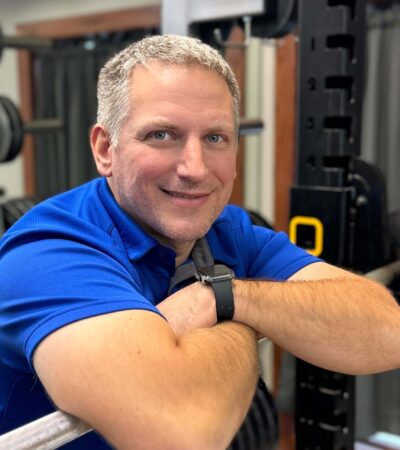
Tom Carson
PT, DPT, FDNS

Michelle Jenson
ATC, PTA

Laurie Holte
PT, MPT
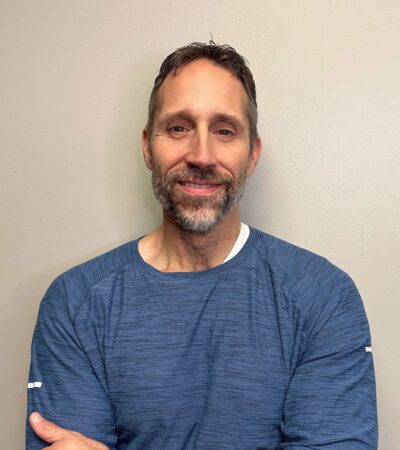
Gary Schindler
PT, DPT, PhD, OCS, SCS, ATC
Grand Forks Workshops
Neck Pain
Preventing Neck Pain
Proactive Strategies To Keep Neck Pain At Bay
Neck pain can be a major disruptor that impacts our ability to work, enjoy hobbies, and even get a good night’s sleep. Physical therapy is excellent for treating existing neck pain, but proactive measures to prevent it in the first place can save us from discomfort and inconvenience down the line. Here are some key strategies to keep your neck healthy and pain-free:
Postural Awareness
- Be mindful of your posture throughout the day. Avoid slouching or hunching your shoulders, especially when sitting at a desk or using electronic devices.
- You are meant to move, and so is your posture. We’ll teach you how to find the ideal positions and postures for the activities you enjoy most.
- If you work at a computer, ensure your monitor is at eye level, and your keyboard and mouse are within easy reach to avoid straining your neck.
Ergonomics
- Evaluate your workspace and make adjustments to promote good posture and reduce strain on your neck.
- Consider using an ergonomic chair, keyboard, and mouse to support proper alignment.
- Take frequent breaks to stand up, stretch, and move around, especially if you have a sedentary job.
Strengthen and Stretch
- Regularly perform exercises that strengthen the muscles in your neck, shoulders, and upper back.
- Simple exercises like neck rotations, shoulder shrugs, and chin tucks can make a big difference.
- Incorporate stretching into your routine to improve flexibility and reduce muscle tension.
Lifestyle Adjustments
- Maintain a healthy diet to minimize inflammation.
- Get regular physical activity to improve overall strength and mobility.
- Manage stress through relaxation techniques like meditation or deep breathing exercises, as stress can contribute to muscle tension and pain.
Contact us today for personalized strategies to prevent neck pain from starting. A little effort today can go a long way in protecting your neck health for years to come!
We Are Hiring for PTA and PT positions!
Interested in Joining Our Achieve Therapy & Fitness Team?
The team at Achieve Therapy, LLC takes joy in helping people in our communities Move Better, Feel Better & Play Better. If you are passionate about delivering quality care and making a real difference in people’s lives, we want you at Achieve Therapy! To fulfill our mission of helping people achieve “Performance for Life,” Achieve employs team members that are innovative, independent thinkers who have a willingness to learn and are coachable.
Your Journey Your Choice
Did you know we can see you for PT with or without a doctor or other healthcare provider’s referral? One of our physical therapists will evaluate you, and customize a treatment plan to reduce your pain and get you moving better. Refer yourself or someone you care about! Get started today!