


Is Neck Pain Interfering With Your Life?
John, a middle-aged professional, found himself trapped in a seemingly never-ending cycle of neck pain. His daily life had become a battle against discomfort, and he was determined to regain control. John’s quest for relief led him to our Achieve Therapy & Fitness clinic, which has a reputation for solving the most stubborn musculoskeletal issues.
The Daily Struggle
John’s neck pain had begun as a mere annoyance but had swiftly escalated into a relentless torment. Each day brought new challenges, from the difficulty of turning his head to the constant strain that seemed to never let up. It affected his work, sleep, and overall quality of life.
During one of his sleepless night’s internet searches, he stumbled upon our Achieve Therapy & Fitness clinic website. The clinic’s reputation for delivering results caught John’s attention. He devoured the numerous success stories and testimonials from patients who had found relief and regained their lives. The reviews emphasized the clinic’s commitment to a holistic, results-oriented approach, which resonated deeply with John’s desire for a lasting solution.
Desperate for a solution, he called the following day and scheduled a consultation.
A Friendly Oasis of Hope
There are many reasons why you may be experiencing hip or knee pain. Some of the most common causes include:
- Arthritis. Osteoarthritis and rheumatoid arthritis are the most common causes of hip and knee pain. Arthritis causes inflammation of the joints and can lead to a quicker breakdown of cartilage in the hips. This can lead to pain or stiffness with movement.
- Tears and ruptures. There are ligaments and cartilage in the hips and knees that are susceptible to injury, including tearing. Tears to ligaments leave the joints unstable, while cartilage tears typically affect your range of motion. Most tears result from some trauma or sports-related accident.
- Bursitis. Bursae are liquid sacs that can be found between tissues. They help ease friction from tissues running together; however, they can also become inflamed due to overuse and trauma, resulting in pain. So, if you feel achy after walking too far, it may be your body’s way of telling you you’ve done too much!
- Strains and Tendonitis. Muscles or tendons can become strained and/or inflamed due to overuse and repeated activity. This causes inflammation and fraying of the tissue, resulting in pain.
Although it is less common, fractures and dislocations are possible due to accidents or diseases such as cancer. This is something to keep in mind as you participate in physically demanding activities and hobbies. If you are experiencing pain from a recent slip or fall, you may be feeling the symptoms of a fracture or even a dislocation.

Our Patients Are Getting Great Results

Great friendly staff always left feeling encouraged after my back surgery 7 months ago. They have helped me get my life back to normal through a therapy program. Feel extremely blessed to have their knowledge and experience.
– Vicki T.

A Holistic Treatment Plan
A Holistic Treatment Plan
His physical therapist wasted no time designing a personalized treatment plan for John. She stressed that the objective wasn’t merely to alleviate immediate pain but to provide a sustainable, holistic solution. The plan encompassed various facets, focusing on correcting posture, strengthening specific muscle groups, and reducing tension through precise manual therapy.
- Hands-On Therapy: One of the components of John’s treatment plan that he found provided immediate relief was the hands-on therapy sessions. His physical therapist employed techniques such as joint mobilizations, soft tissue techniques, and targeted stretching to alleviate immediate discomfort.
- Targeted Exercises for Lasting Results: His physical therapist taught him that lasting relief hinged on addressing the root causes and introduced a series of targeted exercises. These exercises were designed to help strengthen John’s neck and upper back muscles while correcting the imbalances contributing to his pain.
The physical therapist emphasized consistency and proper form, ensuring John was well-prepared to continue his exercises at home.
In just a few sessions, John’s path to recovery began to unfold. The persistent neck pain that had tormented him for so long gradually subsided. He noticed a significant improvement in his posture and regained confidence in his body’s healing ability. His physical therapist remained a dedicated source of guidance and motivation, adjusting the treatment plan as needed.
Reclaiming Comfort and Freedom: A Path to Lasting Wellness
Months later, John’s neck pain had become a distant memory. He had found relief and developed a deeper understanding of his body’s needs and capabilities. If you find yourself grappling with neck pain, let John’s story be a beacon of hope. Don’t let pain hold you back; take the first step towards a pain-free future today!
Meet Our Team

Matti Robinson
PCC | HR Coordinator

Gary Schindler
PT, DPT, PhD, OCS, SCS, ATC
Grand Forks Workshops
Neck Pain Workshop
Park Rapids Workshops
Low Back Pain Workshop

Thai Pumpkin Soup
Ingredients:
- 2 tablespoons olive oil
- 1 small white or yellow onion , chopped
- 1 teaspoon garlic powder (or use 2 cloves garlic, minced)
- 1 tablespoon ginger paste (or freshly grated ginger)
- 1 tablespoon lemongrass paste (optional)
- 3-4 tablespoons Thai red curry paste
- 2 cups low-sodium vegetable broth
- 15 ounces pumpkin puree (not pie filling)
- Kosher salt
- 14 ounces canned unsweetened coconut milk, well shaken
- lime or lemon juice
Suggested toppings:
- fresh cilantro , chopped
- thinly sliced serrano or jalapeno chile
- roasted pumpkin seeds or sunflower seeds
- crush red pepper flakes
- swirls of coconut cream
Directions:
-
Heat one tablespoon of the olive oil in a 4-5 quart Dutch oven or stock pot over medium until shimmering.
-
Add the onion and saute until soft and translucent (about 6 minutes).
-
Scoot the onions to one side and add the remaining one tablespoon of olive oil to the cleared side. Spoon the curry paste, ginger paste, lemongrass paste (if using), and garlic powder over the oil, and stir until fragrant. Mix into the onions.
-
Add the broth and the pumpkin puree, and mix thoroughly.
-
Raise the heat to bring the soup to an active simmer for 10 minutes.
-
Turn heat to low. Taste the soup and add salt by the big pinch until flavorful.
-
When the soup and completely stopped bubbling, whisk in the coconut milk.
-
Add a splash (or squeeze of lemon or lime juice and taste. Adjust with additional salt, if necessary.
-
Serve with optional toppings.
-
Leftovers keep well for several days in the fridge.
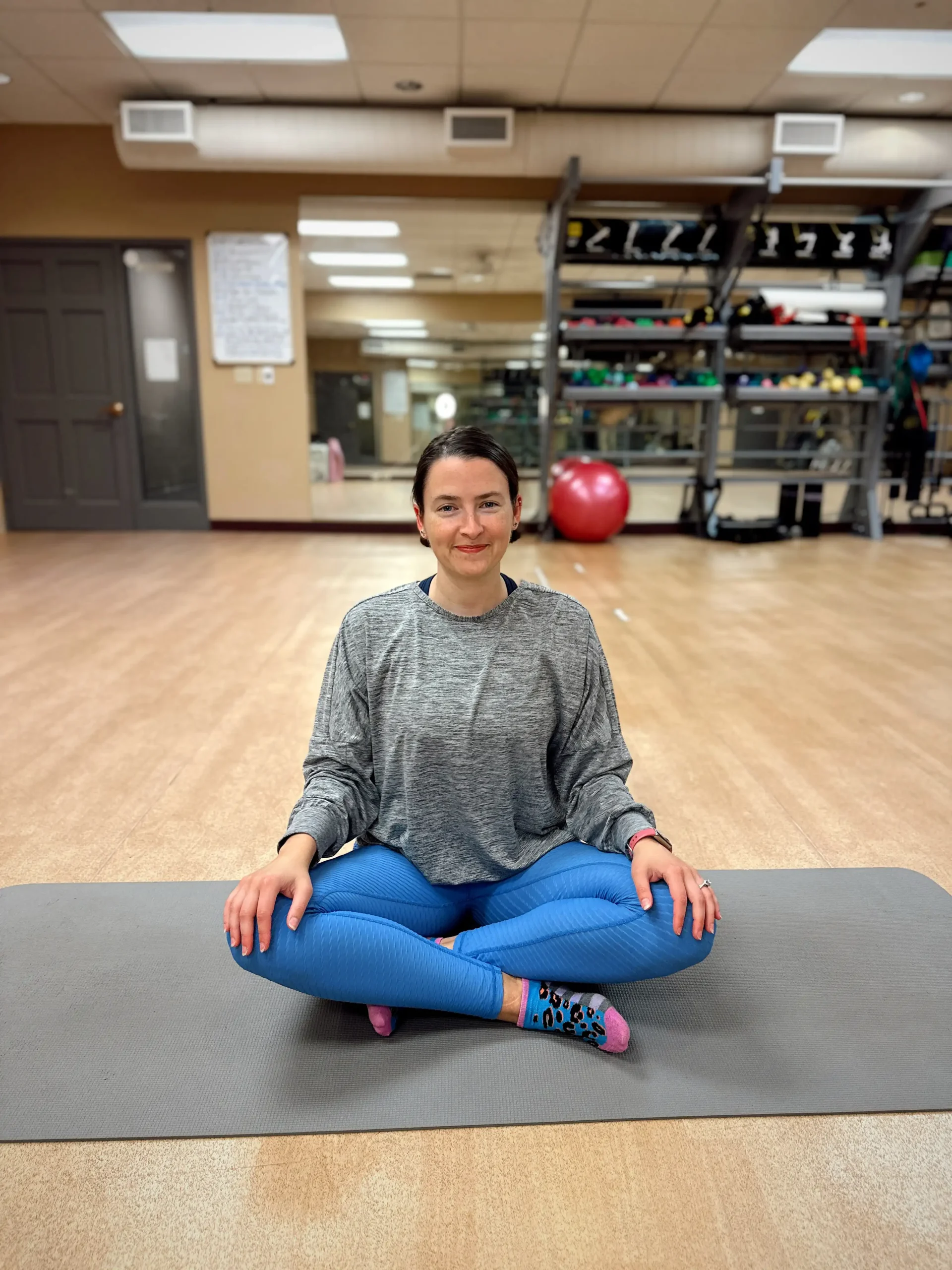
Meet Our New Fitness Instructor Meg
Meg has been practicing Yoga and Pilates for 15+ years, which gave her the tools and insight into her struggles with autoimmune diseases. In 2020 she completed her 700-hr Teacher Training in Hatha Yoga that spring boarded her into the world of fitness and wellness coaching. Since then, she has achieved her Pilates Teacher Training, Barre Instructor Training, Indoor Cycling Certification, Prenatal Yoga Certification, Personal Training Certification, Corrective Exercise Specialist Certification, and Nutrition Coaching.
Originally from upstate NY, Meg has lived in various regions including Montana, Scotland, and Maine, gaining unique and diverse perspectives and techniques with her teaching. She encourages developing a stronger mind/body connection to promote improved form and posture, stress relief, breath control, and overall improved wellness and performance.
In her free time she enjoys reading and writing. She tries to go on adventures with her dog every weekend. And in her down time she watches sci-fi television shows and movies.
November Staff Anniversaries
Leah Puetz has been with us for 5 years.
Thank you for your years of service.
November Staff Birthdays
Joann Bjorkstrand
Jocelyn Julson
Wishing you a wonderful birthday.

What to do When Therapy Ends
Completing a physical therapy journey is a significant milestone, but it’s essential to understand that the end of therapy is just the beginning of a new chapter in your life. Whether you’ve been receiving treatment for pain, an injury, or any other condition, embracing consistency and persistence is crucial to maintaining your newfound wellness.
Embrace Consistency and Persistence
The exercises and practices you’ve learned during your time in therapy are not temporary fixes but lifelong tools for your well-being. Consistently performing the prescribed exercises will help you maintain the strength and flexibility you’ve gained. These routines aren’t just for recovery; they’re for sustained wellness.
Address Issues When They’re Small
One vital lesson to carry with you is the significance of addressing issues when they are small. If you ever experience a setback or the return of even minor discomfort, don’t hesitate to reach out to Achieve Therapy & Fitness immediately. Our team will evaluate your condition, provide guidance, and make necessary adjustments to your program. Early intervention ensures that potential problems are resolved before they worsen.
Holistic Wellness Matters
Remember that your overall well-being goes beyond your initial condition. It’s essential to consider the holistic factors that can affect your enjoyment of life. Stress management, regular exercise, proper nutrition, and other lifestyle elements can significantly impact your health. Completing your therapy journey is significant, but the journey towards long-term wellness is ongoing! If you are dealing with pain, injury, recent surgery, or managing a specific condition, remember that your well-being is in your hands. Take the first step towards a life of comfort and freedom by calling us today!